1 To Watch
The cost of control: Amman risks the stability it aims to protect
Crackdowns on political opposition and public dissent are increasing the risk of instability in Jordan
May 22, 2025


Egypt is the latest regional state to signal tighter regulation of children’s access to social media.
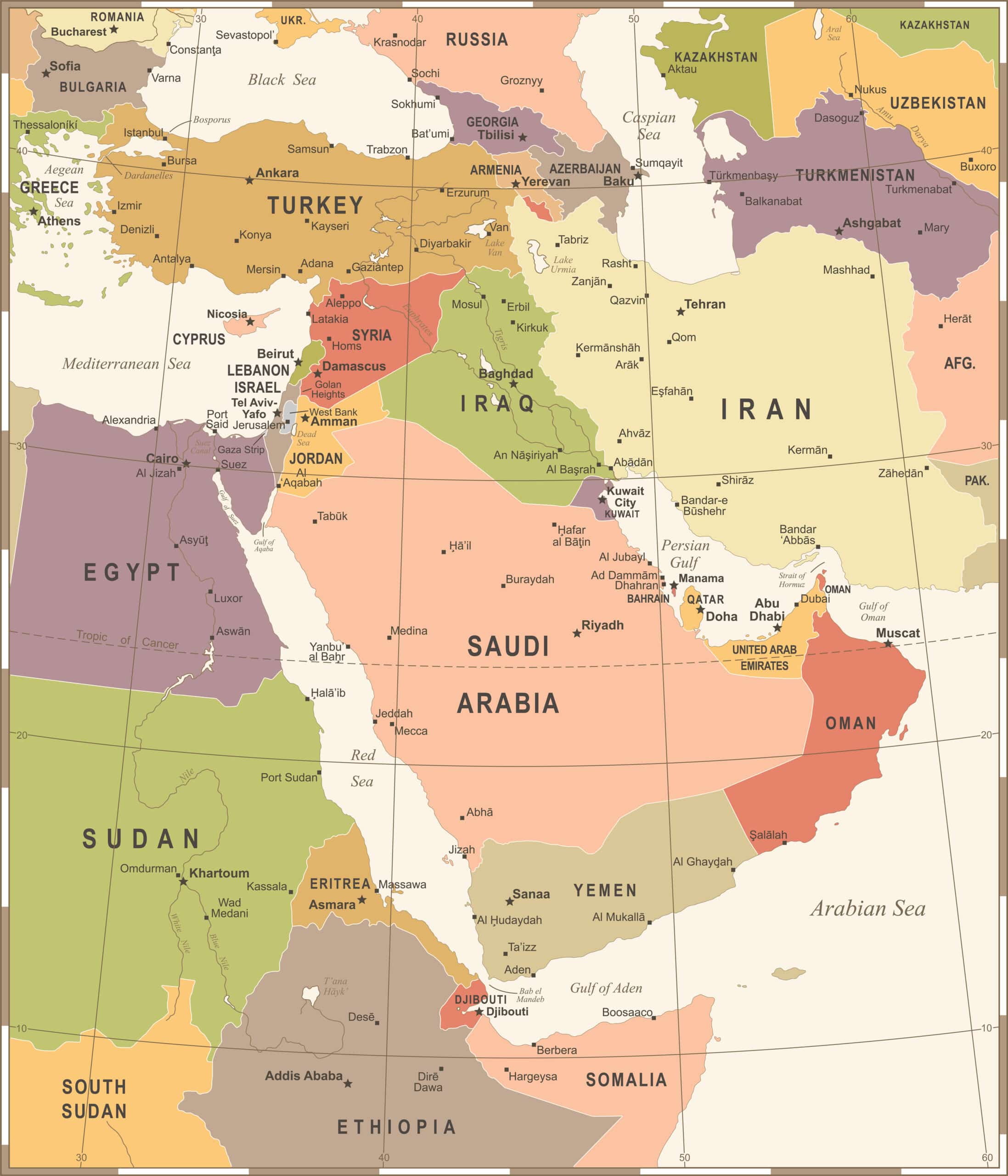
Egypt has emerged as the latest MENA state to signal tighter regulation of children’s access to social media, with parliament confirming it is preparing draft legislation to restrict minors’ use of digital platforms. The move follows public remarks by President Abdel Fattah el-Sissi highlighting concerns over the psychological, social, and behavioural impact of unregulated online exposure on children. While detailed provisions have yet to be published, early signals point towards a framework combining age thresholds, parental responsibility, and new compliance obligations for platforms.
Egypt’s announcement reflects a broader regional reassessment of social media’s role in societies that are both highly connected and demographically young. Across MENA, digital platforms are increasingly viewed not simply as commercial or social tools, but as systemic infrastructure shaping public health outcomes, political narratives, and social norms.
Egypt’s proposal aligns with a clear regional trend towards more assertive digital governance. Across the Gulf and North Africa, policymakers are converging on child-safety frameworks that blend parental accountability with platform-level obligations. The UAE has already enacted a Child Digital Safety regime that places explicit legal responsibility on parents while also setting expectations for service providers on age verification, content moderation, and advertising to minors. Saudi Arabia and Qatar, among other states, have expanded digital wellbeing initiatives alongside stricter standards governing content accessible to children.
MENA is the world’s youngest region, with around 60 percent of the population under the age of 30. Social media penetration is correspondingly high, with average daily usage in several markets, including Egypt, Saudi Arabia, and the UAE, exceeding three hours per day, higher than OECD averages. For governments, the scale and intensity of youth exposure have elevated social media from a lifestyle concern to a public policy issue.
Mental health data has become central to this policy shift. Like other research conducted worldwide, academic studies from Egypt, the Gulf, and the Levant consistently show associations between intensive social media or smartphone use and higher incidence of anxiety, depressive symptoms, sleep disruption, and cyberbullying among adolescents. While causality remains contested and evidence uneven, post-pandemic assessments by WHO bodies covering the Eastern Mediterranean region point to a marked deterioration in youth mental health, with digital overuse frequently identified as a contributing factor.
For platforms, the regulatory direction is increasingly clear. International firms such as TikTok, Instagram, and Snapchat face rising compliance risk as jurisdictions move towards assigning legal responsibility to providers rather than users. Australia’s recent introduction of a nationwide under-16 social media ban, backed by significant penalties for non-compliance, has accelerated platform responses globally, including more aggressive account removals, automated age-detection systems, and restrictions on youth-facing features.
These pressures extend beyond US-based technology firms. Widely used regional and Arabic-language platforms such as Telegram, Yalla, and Likee will also be affected by child-safety regulation. Many of these services have strong penetration among Arabic-speaking youth but more limited compliance capacity. This raises the risk that new rules could unintentionally favour larger international incumbents with greater technical and legal resources.
Overlaying the child-safety debate are long-standing concerns around media freedom and information control. In political environments where digital expression is already sensitive, age-based restrictions may expand state leverage over online speech, particularly if implemented through identity verification, network-level filtering, or broad definitions of harmful content. Child-protection frameworks, without strong safeguards, may constrain access to news, civic information, and independent media.
Egypt’s initiative sits within an intensifying international policy debate. In the UK, Parliament is actively reassessing whether existing online safety legislation adequately protects children, with some lawmakers advocating explicit statutory age limits and tougher enforcement mechanisms. Australia’s under-16 ban has further shifted the global policy baseline, reinforcing expectations that platforms should bear primary responsibility for preventing underage access.
For MENA states, the challenge is balancing three competing imperatives. First, there is strong domestic pressure to respond to concerns around youth mental health, cyberbullying, and harmful content. Second, social media plays a central economic and political role. MENA digital advertising spend reached approximately USD 6.9 to 7 billion in 2024, with social platforms accounting for the fastest-growing share. Influencer marketing, youth-driven consumption, and platform-based messaging are integral to retail, entertainment, and public communications strategies across the region. Third, there is the risk of regulatory overreach. Social media functions as a channel for disseminating official political narratives, but also as a means of challenging authority and mobilising public opinion, while simultaneously serving as a vector for misinformation, disinformation, and foreign influence. The balance between value and risk for MENA governments is delicate.
The next phase will hinge on regulatory design. Privacy-preserving age assurance, clearly defined scopes, and transparent oversight mechanisms will determine whether child-focused regulation strengthens digital resilience or narrows the online public sphere. The details of Egypt’s forthcoming legislation will therefore be closely watched, not only as a domestic policy signal but as a potential reference point for child-safety regulation across the wider MENA region.
Building on last week’s newsletter on new Gulf defence relationships, Azure Strategy’s MD Dr Neil Quilliam speaks to TRT on the Saudi-Turkiye-Pakistan discussions, alongside Hannan Hussain (Initiate Futures Senior Expert) and Betul Dogan Akkas (Ankara University Assistant Professor).


1 To Watch
Crackdowns on political opposition and public dissent are increasing the risk of instability in Jordan
May 22, 2025
1 To Watch
Donald Trump has an historic opportunity to negotiate a much tougher nuclear deal with Iran – will he seize it?
April 3, 2025

1 To Watch
The transitional government must focus on four key areas to ensure that unity is maintained.
December 24, 2024
© Azure Strategy 2026.