1 To Watch
The cost of control: Amman risks the stability it aims to protect
Crackdowns on political opposition and public dissent are increasing the risk of instability in Jordan
May 22, 2025


Gulf producers are expanding LNG capacity and stepping up energy diplomacy as the EU tightens sustainability rules.
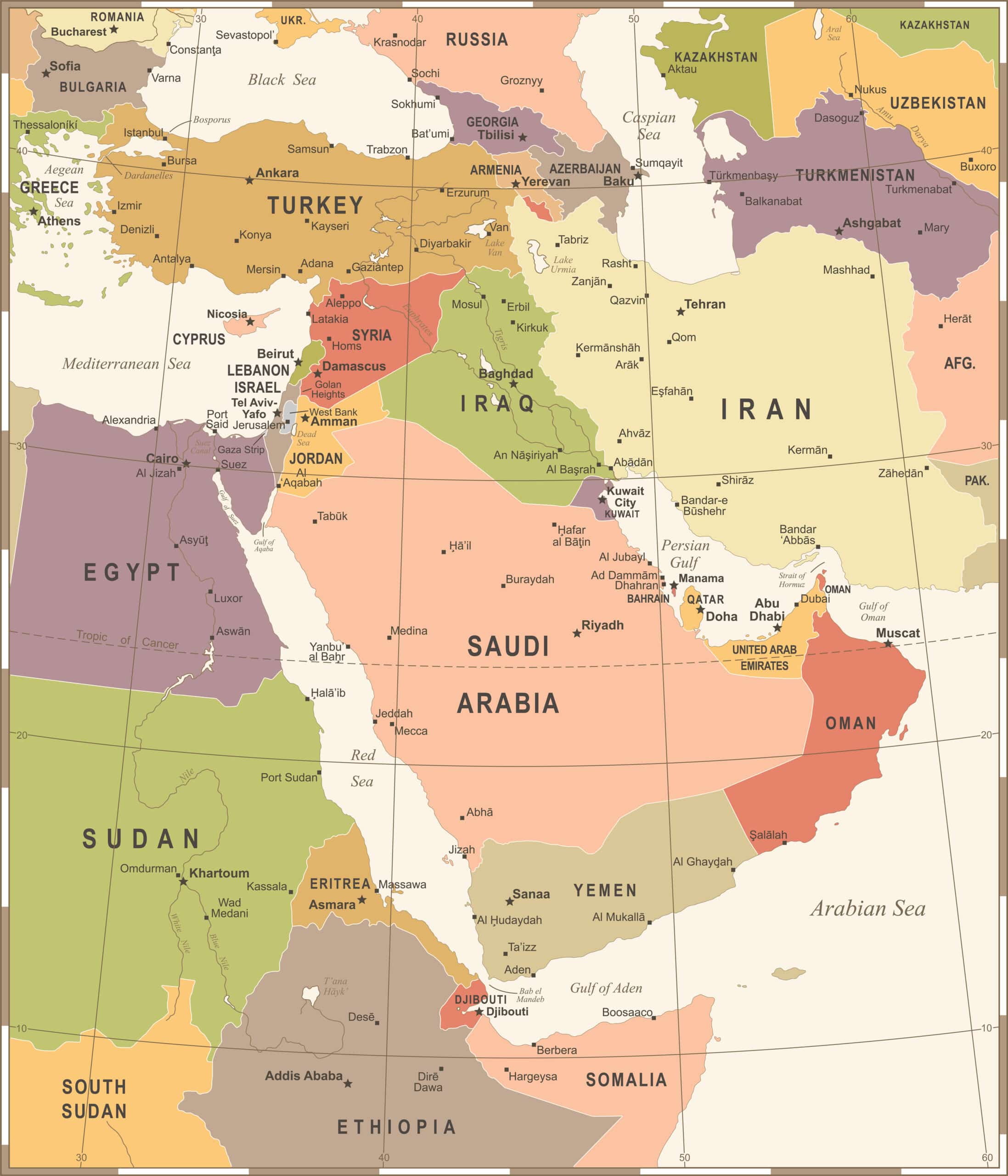
Gulf energy diplomacy intensified this week as the UAE and Qatar announced plans to expand liquefied natural gas (LNG) exports amid concerns that global supply growth is failing to keep pace with rising consumption. Speaking at Abu Dhabi Financial Week on Monday December 8, UAE Energy Minister Suhail Al Mazrouei said the Emirates would continue scaling up LNG output to meet demand, driven by fast-growing economies in Asia and higher consumption globally as countries transition towards lower-emission fuels.
His remarks closely echoed those of Qatar’s Energy Minister Saad Al Kaabi, who told the Doha Forum on December 6 that global LNG demand could reach 600m–700m metric tonnes by 2035 – requiring 200m–300m tonnes of additional supply to come onstream in the next decade. Al Kaabi, who also heads QatarEnergy, noted that since 2017, when Doha embarked upon a major expansion of LNG, AI had emerged as a new and unforeseen driver of power demand. Al Kaabi warned of a future price spike should producers fail to scale up investment in additional supply now.
The timing of the Ministers’ remarks was notable. On December 6, Al Kaabi said he was hopeful the EU will resolve companies’ concerns over the bloc’s proposed Corporate Sustainability Due Diligence Directive (CSDDD) by year-end. The legislation requires EU and non-EU companies operating in the bloc to satisfy mandatory due diligence requirements pertaining to human rights and the environment, in line with the EU’s sustainability objectives. The Qatari Minister has repeatedly urged Brussels to scale back the framework on the grounds that it is prohibitive to doing business. The GCC countries released a statement on December 5 warning that the proposed legislation might restrict energy supplies if it created disproportionate liabilities for GCC companies.
As electricity demand surges and interest in lower-emission fuels grows, Gulf states active in the LNG market – producers Qatar, the UAE, and Oman; and Saudi Arabia with infrastructure investments and partnerships – are increasingly treating LNG as a strategic asset. They are using expanding export capacity to secure long-term revenues, support domestic energy transitions and enhance their influence in global energy markets. Gulf LNG expansion is occurring on a scale not seen previously. According to the International Energy Agency, more than 70% of global LNG final investment decisions (FIDs) in 2024 originated in the Middle East, driven by major projects in Qatar, the UAE and Oman. The Agency estimates that more than 300bn cubic metres (roughly 220–225m metric tonnes) of new capacity will come online by 2030.
Competition among global producers is expected to intensify as a wave of new supply comes online. Furthermore, emerging suppliers, notably from Africa, are offering buyers more flexible contract terms, adding to the competitive landscape. However, the Gulf states retain significant advantages, including exceptionally low production costs, integrated supply chains, proximity to both Asian and European customers, and the capital to consolidate their positions in global LNG value chains.
Qatar is expanding its North Field to raise capacity from 77m tonnes in 2017 to 142m tonnes, and ultimately 160m tonnes per year by 2030. Internationally, QatarEnergy is advancing the Golden Pass LNG project in Texas, with the first train expected online in 2026. The project is expected to produce approximately 18m tonnes per year of added capacity.
The UAE is pursuing a similar strategy. ADNOC awarded $5.5bn in contracts in 2024 for the Ruwais LNG project, which will more than double the energy giant’s total LNG capacity to around 15m tonnes per year by 2028. Through its investment arm XRG, ADNOC has also expanded into LNG ventures in Mozambique, Argentina and the US.
Qatar, the UAE and Saudi Arabia have all taken strategic stakes across the US’s LNG value chain – a move that both hedges against Washington’s “energy dominance” export strategy and strengthens their position in global LNG markets. Saudi Aramco has invested in Sempra’s Port Arthur terminal, while ADNOC and XRG hold equity in NextDecade’s Rio Grande project. In April 2025 regional media reported that Mubadala deepened the UAE’s footprint in the US by acquiring a 24.1% stake in SoTex HoldCo, which owns upstream assets in the Eagle Ford basin and the planned Commonwealth LNG terminal in Louisiana.
However, regulatory conditions in a major global market – the EU – are on the cusp of significant change, with consequences for both European consumers and Gulf exporters. The EU’s CSDDD has emerged as a sensitive point in Europe-Gulf energy relations and in the EU’s dealings with LNG suppliers globally, including the US, with producers citing risks to energy security, trade and investment. The original proposal required large companies operating in the EU to assess and report environmental and human-rights impacts across their supply chains and imposed penalties of up to 5% of annual turnover for violations.
Qatar, an important supplier to EU member states – notably Germany – since Russia’s invasion of Ukraine, has persistently expressed concerns. Reuters reported in November 2025 that Doha – which in 2023-2024 provided roughly 10-12% of the bloc’s LNG – had warned it may be unable to continue supplying LNG under the directive’s provisions. In November, the CEO of Austria’s OMV similarly cautioned that the EU risked losing Qatari gas unless the law was adjusted.
In response, the EU – for which LNG remains central to near-term energy security – has moved to make the legislation more business friendly. On December 9, the European Parliament and the Council of the EU reached a provisional agreement on significant amendments to the CSDDD. The scope has been narrowed to cover only the largest companies, climate-transition-plan requirements have been removed, maximum fines have been reduced to 3%, and compliance has been delayed to 2029. However, the statements coming from the Gulf this week send a clear signal to Europe that regional suppliers consider the framework too burdensome, and it may influence future supply decisions if there is no further change to, or cancellation of, the policy.
The amendments reflect a complex balancing act underway in Europe. The bloc must phase out Russian gas by 2027 – in line with policy objectives – while keeping energy affordable, and it must maintain its reputation as a climate leader without straining relationships with key suppliers.
Global LNG demand is set to rise steadily over the coming decades, reinforced by the recognition of natural gas as an essential transition fuel and the rapid expansion of AI and data-centre infrastructure – both of which require large, reliable energy supplies that gas is well placed to provide. Against this backdrop, Gulf producers are expected to keep their LNG expansion plans firmly on track, solidifying the region’s role as a cornerstone of global energy security. For European buyers in particular, LNG from the Gulf remains especially attractive: once Russian pipeline gas is removed from the equation, there is no other scalable, dependable option to meet Europe’s long-term needs.
Gulf LNG is therefore expected to remain attractive to European buyers – though not without caveats. The region’s reputation for supply stability coupled with higher investment in renewables and emissions-reduction technologies relative to other competitors is aligned with EU energy security and climate priorities. This week, the EU advanced a new Carbon Border Adjustment Mechanism (CBAM), raising carbon costs for gas-intensive sectors such as steel, fertilisers, hydrogen and electricity. While the regime does not directly affect LNG, it will increase the value of lower-emission supply chains. Gulf producers that invest in systems to measure and reduce lifecycle emissions may gain an advantage over competitors less able to demonstrate compliance.
However, the EU’s broader sustainability agenda, particularly the CSDDD, risks further pushing Gulf suppliers to prioritise Asian buyers – who offer fast-growing demand without the regulatory burdens imposed by Europe – leaving the EU facing a potential shortfall in reliable supply.

1 To Watch
Crackdowns on political opposition and public dissent are increasing the risk of instability in Jordan
May 22, 2025
1 To Watch
Donald Trump has an historic opportunity to negotiate a much tougher nuclear deal with Iran – will he seize it?
April 3, 2025
1 To Watch
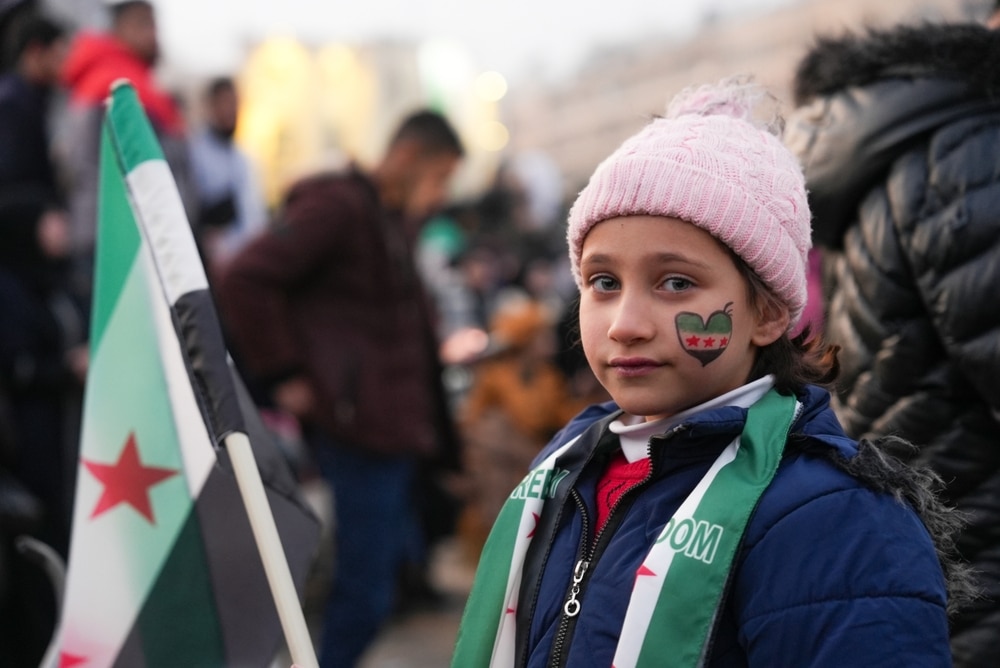
The transitional government must focus on four key areas to ensure that unity is maintained.
December 24, 2024
© Azure Strategy 2026.